
The Hand-Rolled Edge: Why This Detail Matters
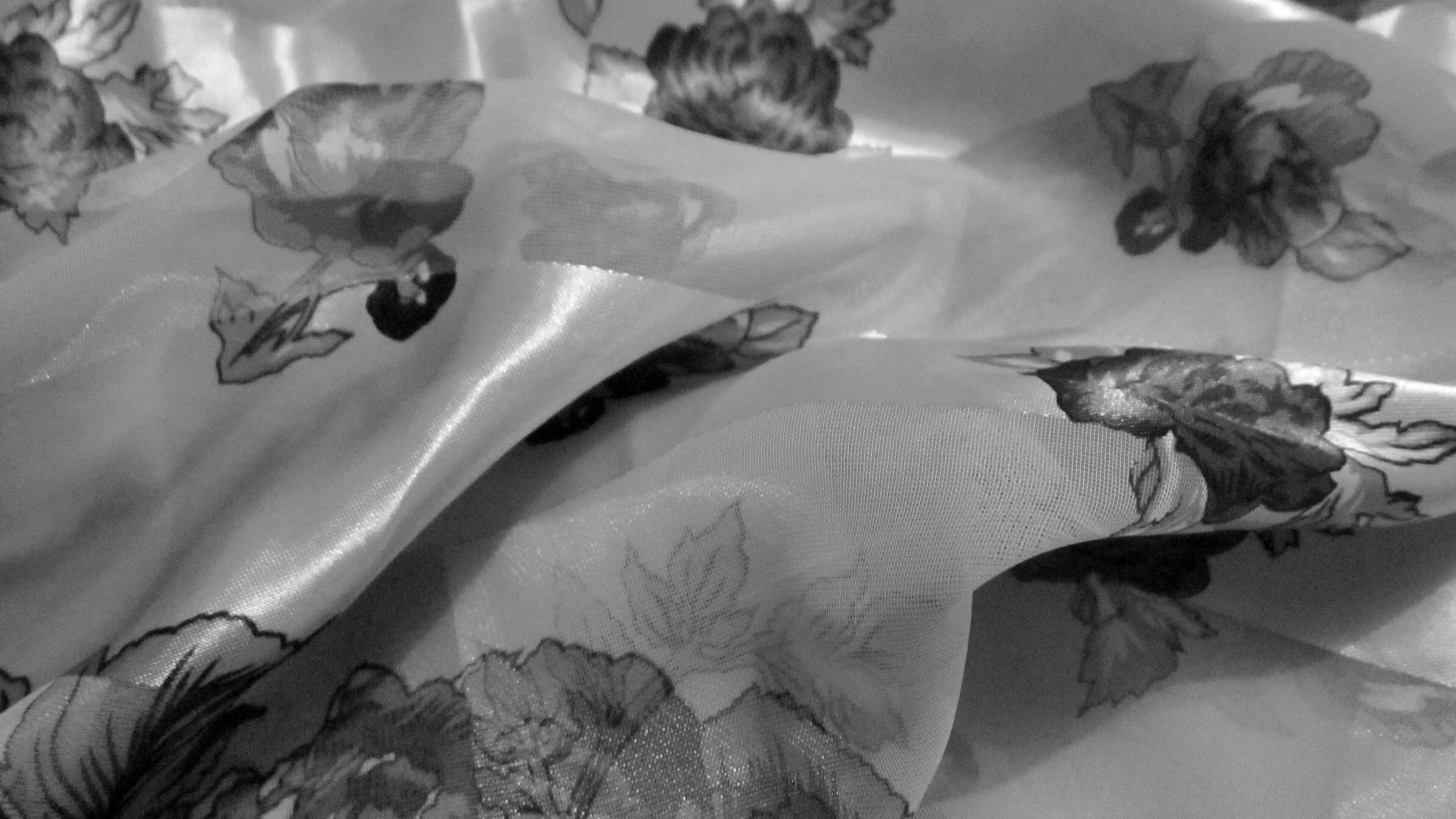
When someone hands me a silk scarf, I do not look at the print first. I turn it over and run my fingers along its border. That is where the truth of a scarf lives.
A Few Millimetres of Patience
A hand-rolled edge is exactly what it sounds like. The raw border of the silk is rolled tightly between the fingers into a slender cylinder, then held in place with tiny, almost invisible stitches. Traditionally the roll curls towards the front of the scarf, so the edge sits plump and rounded on the side the world sees.
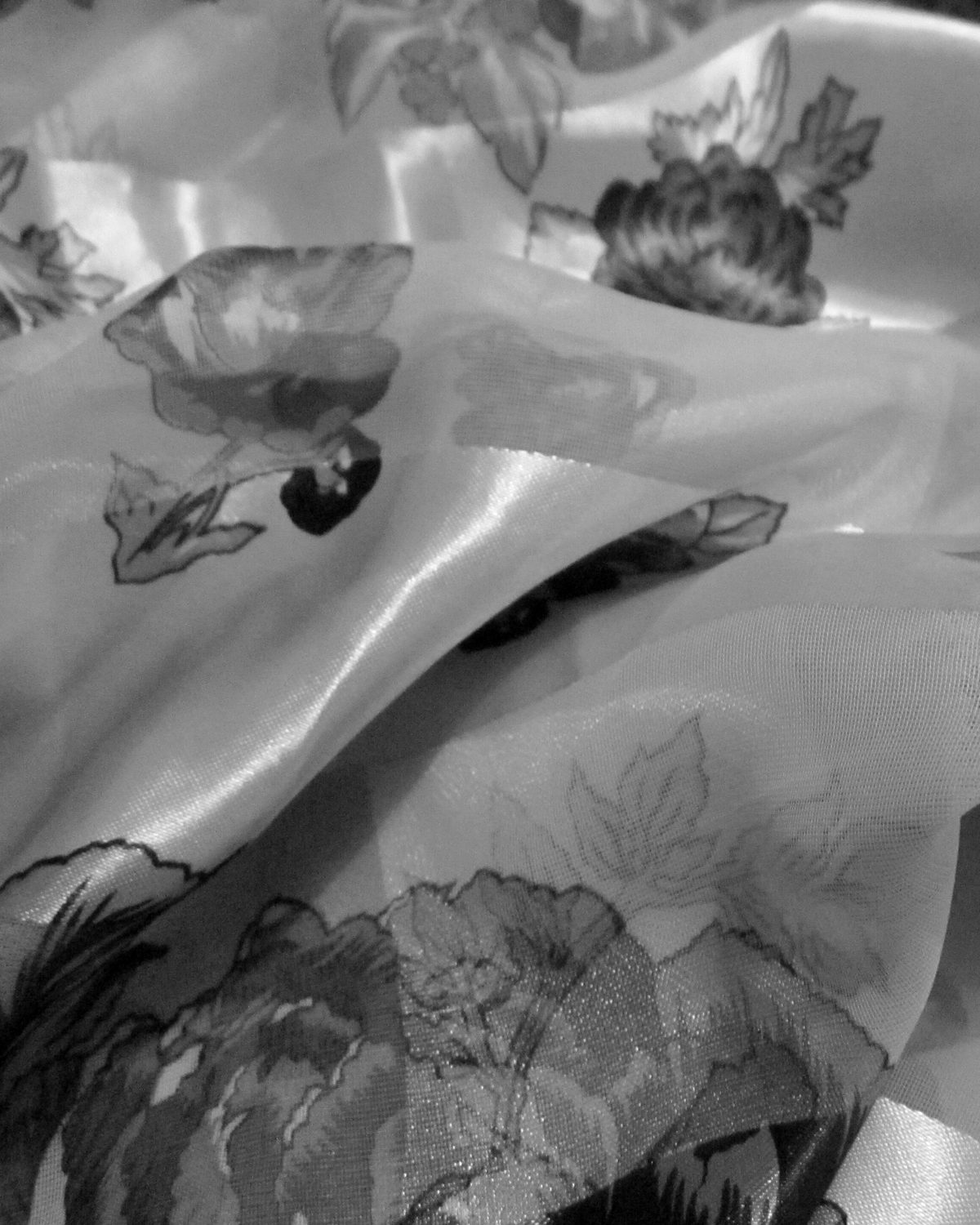
A machine can finish an edge in seconds, flat and perfectly even. A hand-rolled edge cannot be rushed. It is a little fuller, a little softer, and – this is the point – never quite perfect.
Why Imperfection Is the Luxury
I have always been drawn to the trace of the hand in beautiful things. The slight variation in a stitch is not a flaw; it is a signature. It tells me that someone sat with this square of silk and gave it their time, centimetre by centimetre, along every side.
“A rolled edge is the place where the craft whispers instead of shouts.”
It also changes how the scarf behaves. A rolled border gives the silk a gentle weight at its edges, so it falls and drapes rather than lying flat. Knotted at the neck or tied to the handle of a bag, it holds a softer, more sculptural shape.
How to Recognise It
Look at the reverse. The roll should feel round between your fingers rather than pressed flat. The stitches are small and spaced, often barely visible. And because the work is done by hand, no two edges are perfectly identical.
When I find this detail, I know the rest of the object has probably been treated with the same respect. The edge is rarely the only place where care was taken.
A Detail to Live With
A scarf with a hand-rolled edge is not something to keep in a drawer. It is meant to be worn, tied, untied, carried across airports and folded into suitcases. With time the silk softens and the roll relaxes, and the scarf becomes, quietly, your own.
This is why I love details like this one. They ask nothing of us but attention, and they reward that attention for years. Luxury, for me, is rarely in the obvious place. More often it is a few millimetres wide, hidden at the edge, waiting for someone to notice.
Image credits: public domain / CC0 photographs from Wikimedia Commons (via Openverse), converted to black and white, cropped and resized. Sources: hero · 01 · 02 · 03.

.jpg)
.jpg)