Ink, Paper, Patience: Why Don't You Write Letters Again?
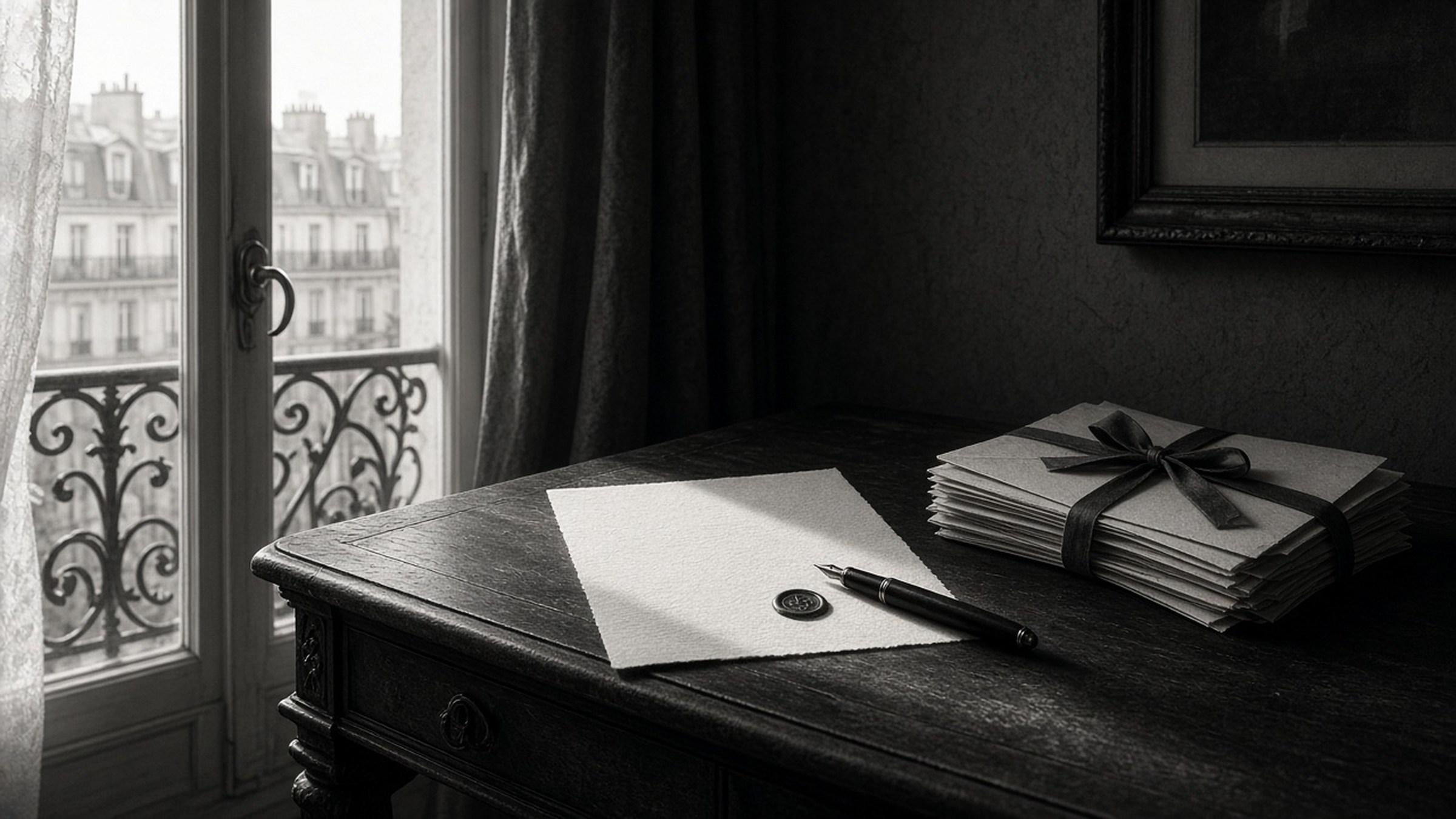
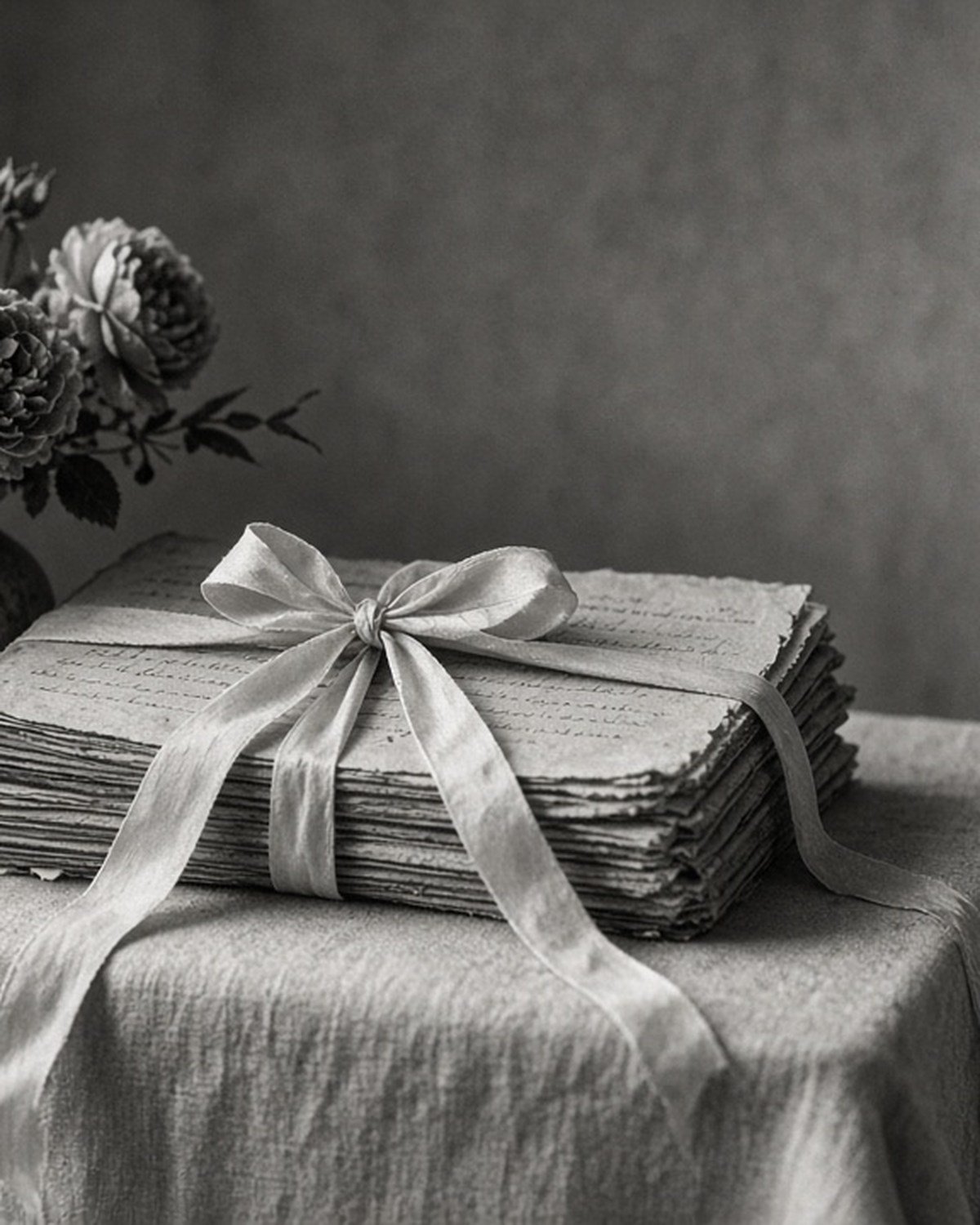
In a drawer of my desk there is a bundle of letters tied with a faded ribbon. I do not open it often. I do not need to. I know it is there, the way you know a friend is in the next room.
I cannot say the same of a single message on my phone.
The Luxury of a Slower Hand
We send hundreds of words a day and keep almost none of them. They arrive, they are read, they vanish. Convenient, yes. Precious, never.
A letter asks for something we have learned to ration: time. Time to sit down, to choose the words, to cross one out and begin again. That time is the real gift. The envelope is only the wrapping.
Choosing the Tools
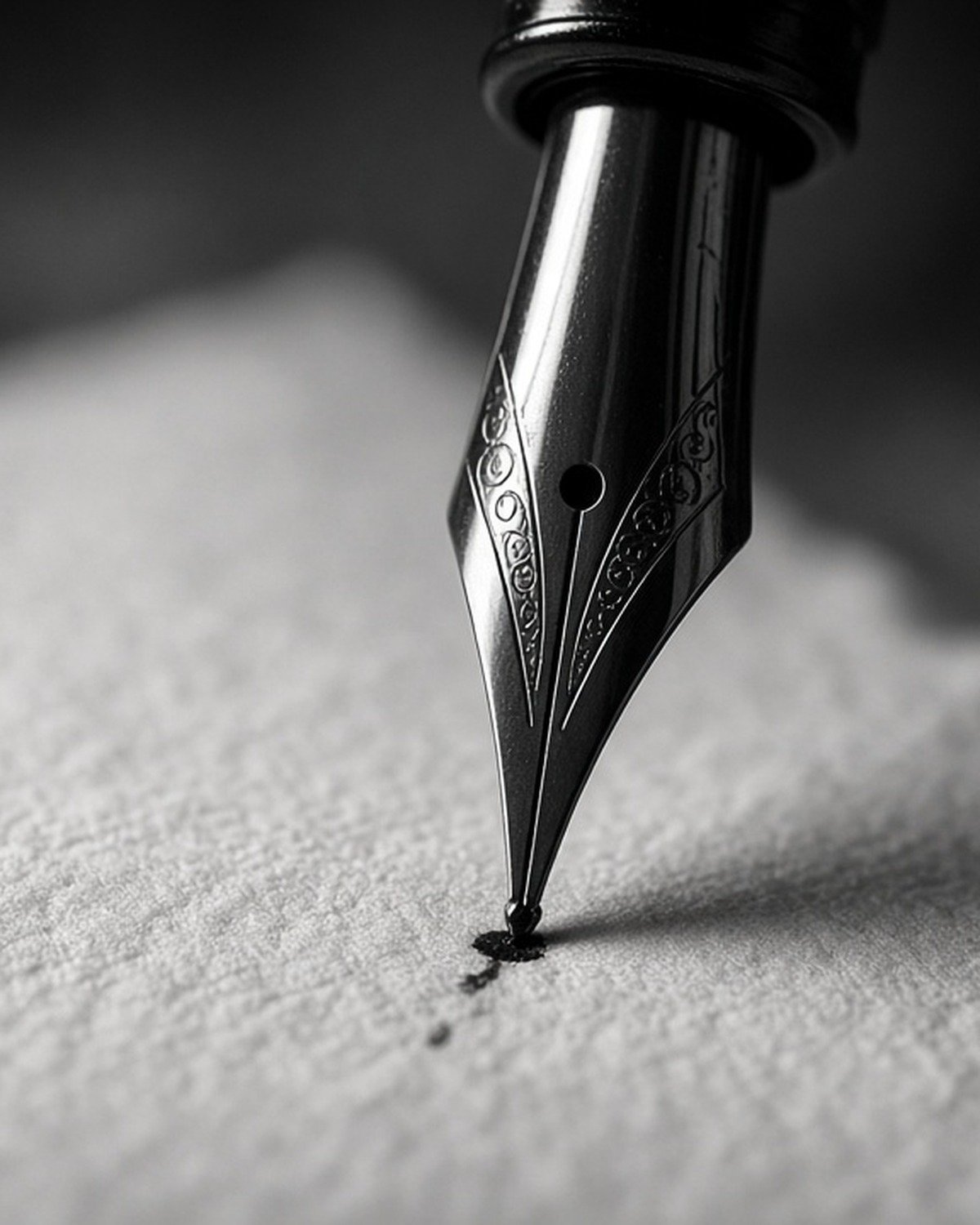
I am not precious about much, but I am precious about paper. I like it heavy, with a soft deckle edge that feels slightly unfinished, as if it came straight from the mill. A good paper slows the pen. It makes you mean what you write.
Then the ink. Black for certainty, a deep blue for tenderness. A fountain pen, ideally one that has learned the angle of your hand over years. There is no app for that intimacy.
A letter is the only message that arrives carrying the hand that wrote it.
My handwriting is not perfect. It does not have to be. The tremor in a word, the place where the ink pooled while I paused to think – that is the voice of the letter. A font can never tremble.
The Ceremony of Sealing
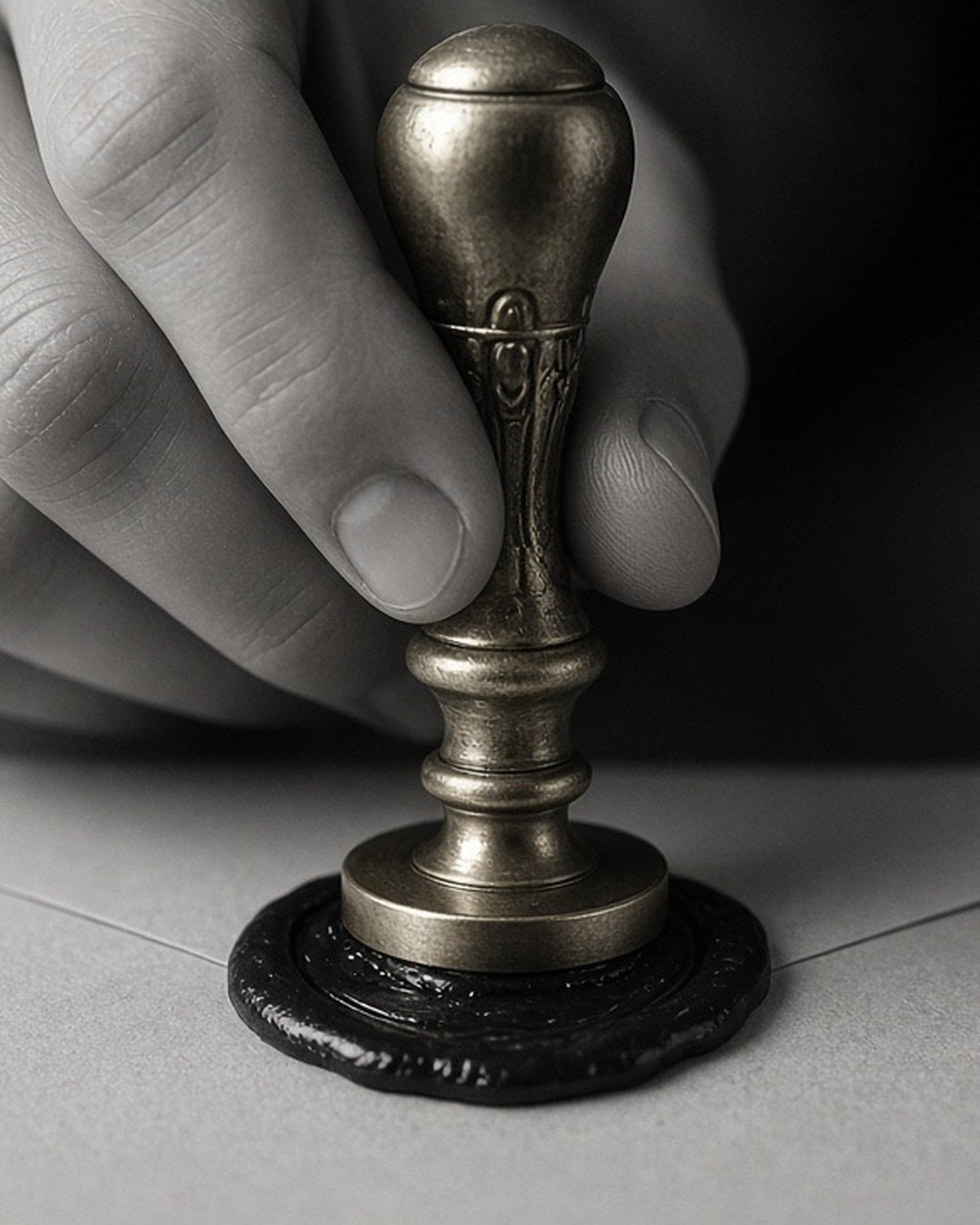
I have a small brass seal that I keep for letters that matter. Warming the wax, pressing it down, lifting the seal to reveal the mark – it takes a minute, and it turns a folded sheet into an occasion.
You do not need a seal, of course. A ribbon, a sprig of something from the garden, a stamp chosen with care. What matters is the gesture. It tells the person who opens it that you lingered.
Written to Be Kept
This is what I love most. A letter is made to last. It can be reread on a bad day, tucked into a book, discovered decades later by someone who never knew you were in love, or sad, or simply thinking of them on a rainy afternoon.
So why don't you write one this week? Not a thank-you note dashed off out of duty, but a real letter. To a friend, to your mother, to your child, to the person you were ten years ago.
Take out the good paper. Fill the pen. Sit by the window.
Then wait for the most old-fashioned pleasure of all: the reply.